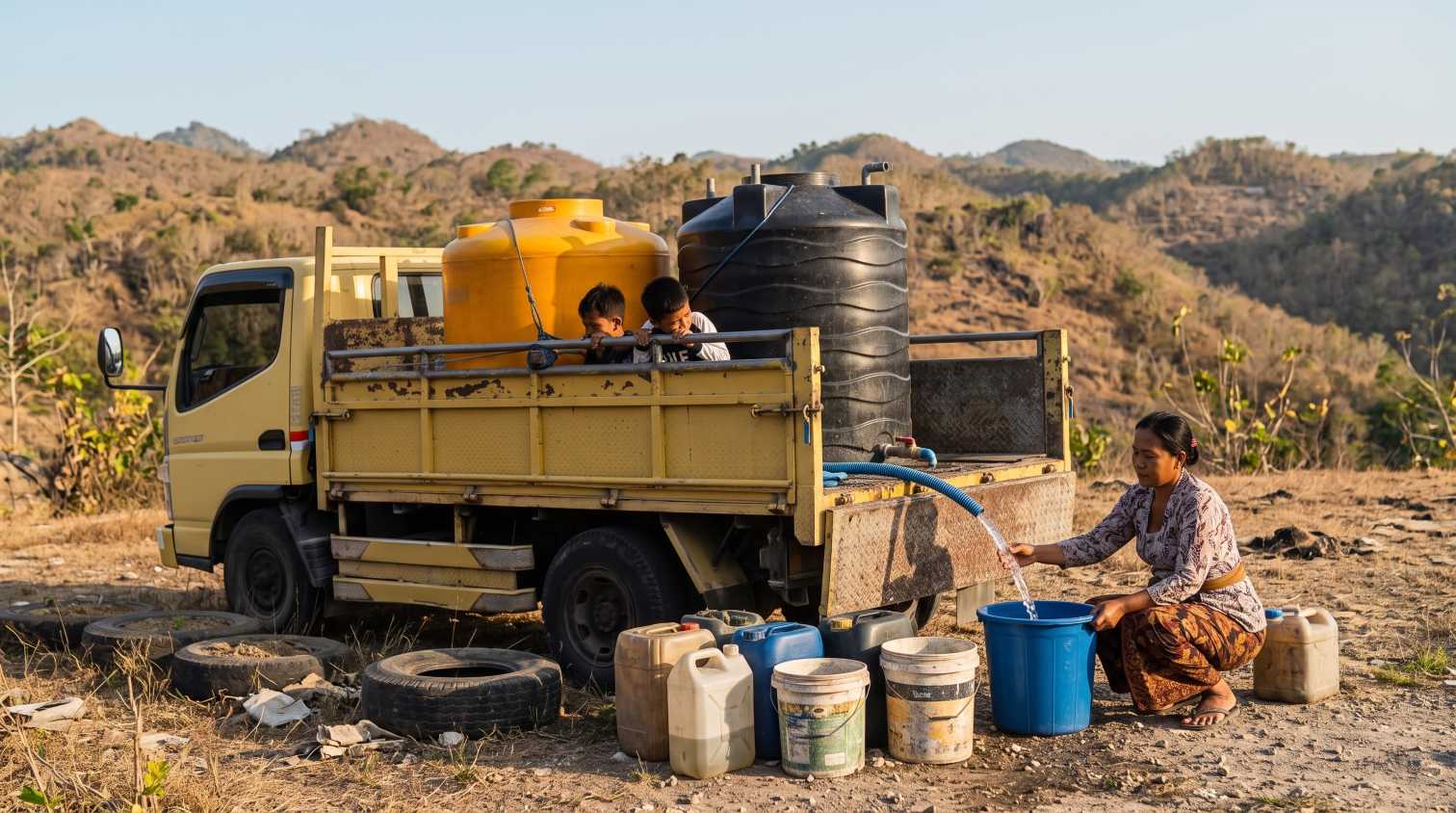
In Tanglad Village, Nusa Penida, morning arrives with dry winds carrying the scent of the sea and limestone soil.
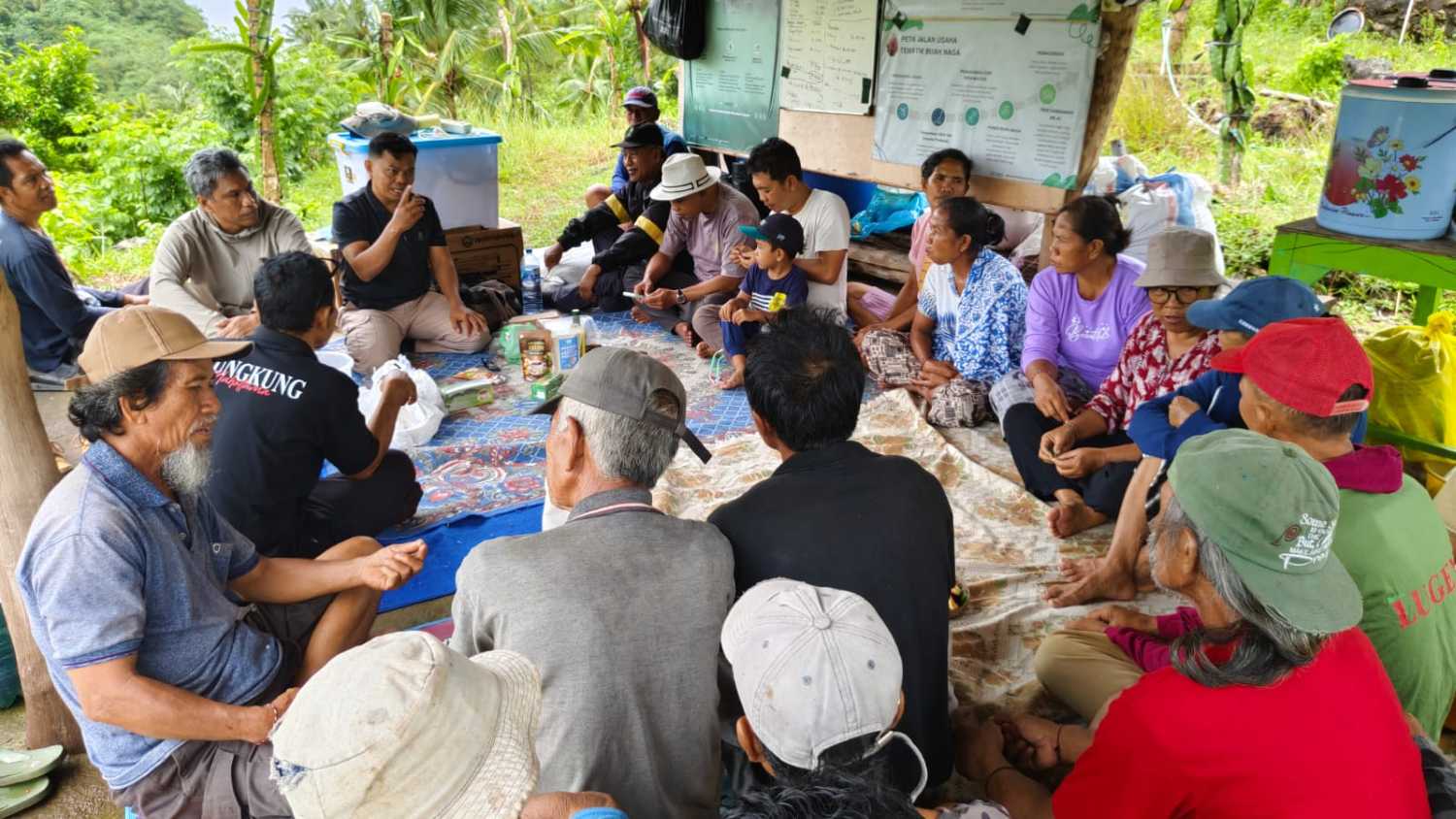
Amid a landscape known for its harsh conditions for agriculture, a group of women gathers in a modest courtyard that has now transformed into a small production space and learning center. They are members of the Nusa Taru Amerta Women Farmers Group (KWT), who are shaping the village’s economic future through a plant once considered ordinary: moringa.
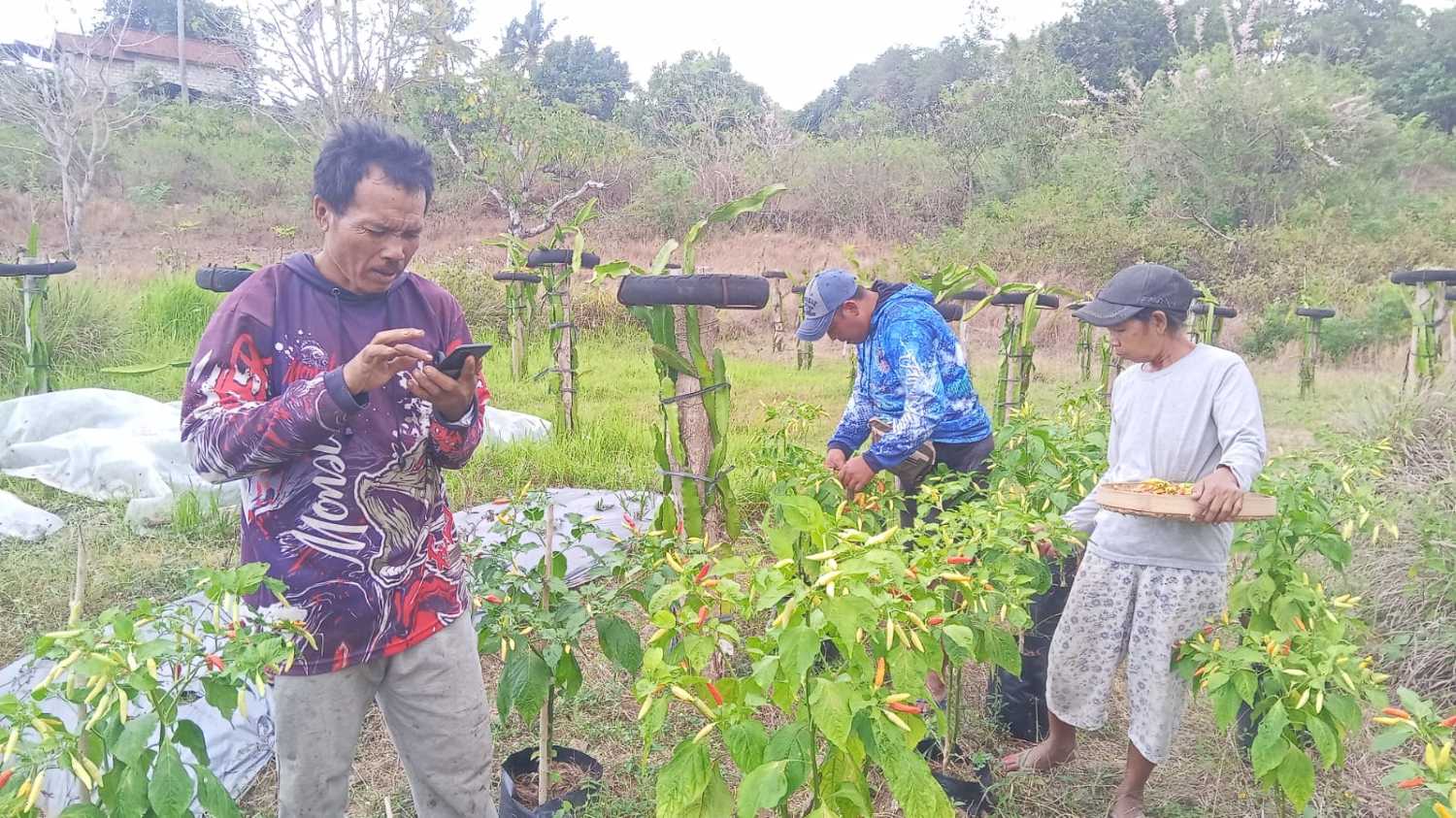
A few years ago, moringa grew wild in household yards, and its leaves were harvested only as needed for home cooking. However, climate change has made planting seasons increasingly unpredictable, water more limited, and traditional crop yields steadily declining. Under these circumstances, Kemas encourages the women of Tanglad began to see moringa differently—not merely as a food plant, but as a climate-resilient economic opportunity.
Moringa is known for its ability to thrive in dry and water-scarce land, making it one of the most climate-adaptive crops for Nusa Penida. This resilience has given village women the confidence to start businesses based on local raw materials that are less vulnerable to crop failure. “Even when the rain does not come, moringa survives,” said one member of the women’s farming group while sorting freshly harvested leaves.
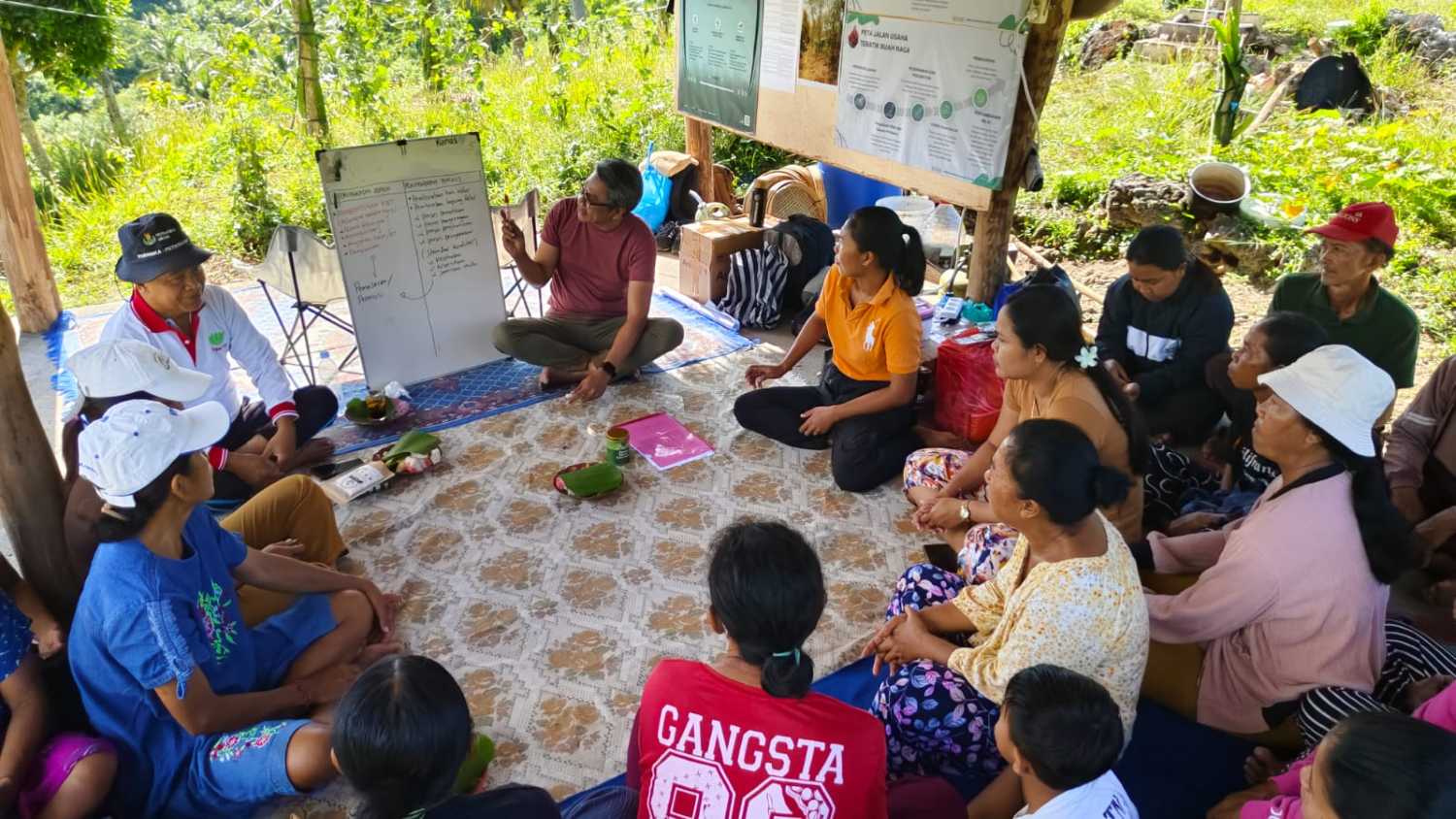
Their journey has not been easy. Limited production equipment, market access, and business experience posed real challenges. Yet their determination to achieve independence kept them moving forward. After receiving mentoring and training, the group has now secured an official business license—an important milestone marking the transition from a home-based effort to a village economic unit ready to grow.
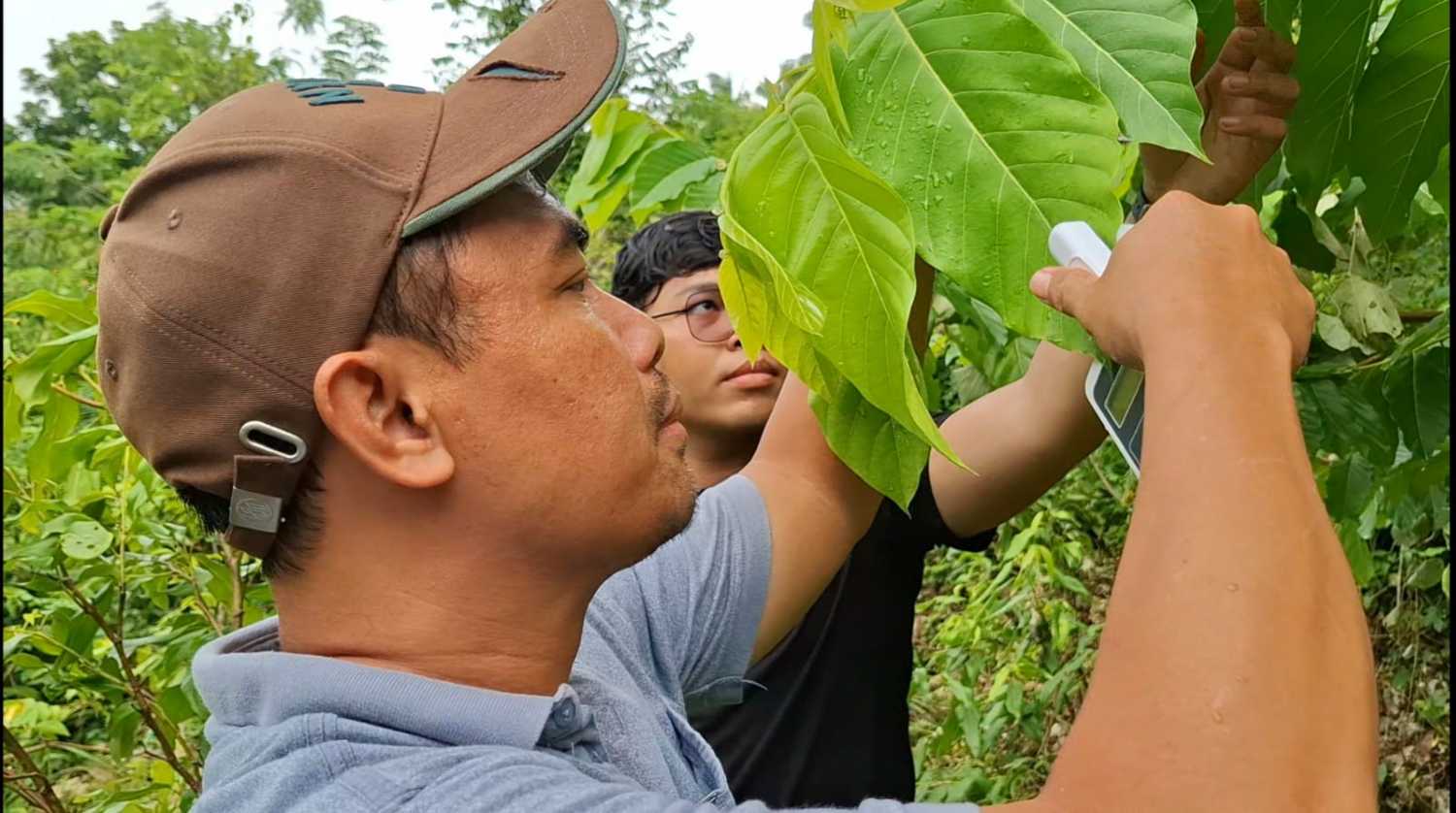
In their modest production space, activities begin early in the morning. Moringa leaves are harvested, washed, and carefully dried to preserve their nutritional content. From this process, two flagship products have emerged: moringa infusion and moringa spiced coffee.
Moringa infusion is designed as a modern herbal beverage targeting the health and natural lifestyle market. Meanwhile, moringa spiced coffee offers a blend of local flavors—coffee, spices, and moringa in a warm and distinctive drink. These products offer not only health benefits but also a story about the village, women, and resilience in the face of climate change.
For the members of the women’s farming group, this initiative is more than producing herbal beverages; it is a shared learning space. They are gaining skills in production management, packaging, digital marketing, and group financial management. Every package produced carries new confidence: that rural women can be economic actors, not merely supporters.
The impact is becoming visible, with increased capital for investment while creating space for women to contribute to household decision-making and opening employment opportunities for nearby residents. More importantly, the initiative is reshaping how younger generations view local agriculture—showing that village crops can be transformed into high-value products.
The Nusa Taru Amerta Women Farmers Group has participated twice in local product exhibitions organized by tourism entrepreneurs who initiated the Nusa Penida Mengajar movement, as well as in the Sub-district Development Exhibition. This synergy aims to introduce and promote local products from Nusa Penida.
The story of the women’s farming group in Tanglad Village shows that economic opportunities do not always come from outside; sometimes they grow in home gardens, waiting to be seen from a new perspective. With courage, an official business license in hand, and a spirit of mutual cooperation, the women of Tanglad are proving that innovation can emerge from limitations—and from moringa leaves, new hope for the village economy is growing.